

What is the chemical resistance of GRP/FRP pipe molds?
As a supplier of GRP/FRP pipe molds, I often encounter numerous inquiries from clients interested in understanding the chemical resistance of these molds. GRP/FRP, which stands for Fiberglass Reinforced Plastic, is known for its remarkable properties, and its chemical resistance is a crucial aspect, especially in industries where the molds come into contact with various chemicals.
Understanding GRP/FRP Pipe Molds
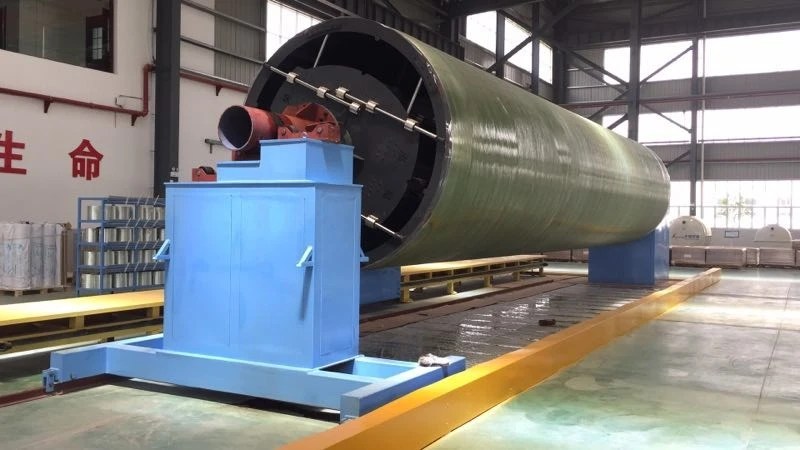
GRP/FRP pipe molds are used in the manufacturing of fiberglass pipes, pressure vessels, and gas cylinders. These molds are designed to withstand the harsh conditions of the molding process, including high temperatures and pressures. The chemical resistance of these molds is determined by the resin used in their construction, as well as the type and amount of reinforcement fibers.
The resins commonly used in GRP/FRP pipe molds include polyester, vinyl ester, and epoxy. Each resin has its unique set of properties and chemical resistance characteristics.
Polyester Resin
Polyester resin is one of the most widely used resins in GRP/FRP pipe mold construction. It is relatively inexpensive and offers good mechanical properties. Polyester resin has moderate chemical resistance, making it suitable for applications where the mold will come into contact with mild chemicals such as water, dilute acids, and alkalis.
However, polyester resin is not recommended for use in applications involving strong acids, solvents, or oxidizing agents. Exposure to these chemicals can cause the resin to degrade, leading to a loss of mechanical properties and ultimately, failure of the mold.
Vinyl Ester Resin
Vinyl ester resin is a newer type of resin that offers improved chemical resistance compared to polyester resin. It has a similar structure to polyester resin but with better resistance to a wider range of chemicals, including strong acids, solvents, and oxidizing agents.
Vinyl ester resin is commonly used in applications where the mold will be exposed to more aggressive chemicals, such as in the chemical processing industry. Its excellent chemical resistance makes it a popular choice for GRP/FRP Gas Cylinder Mold and Pressure Vessel Mold manufacturing, where the molds need to withstand the corrosive effects of the gases or liquids being stored.
Epoxy Resin
Epoxy resin is known for its exceptional adhesion, mechanical strength, and chemical resistance. It offers the highest level of chemical resistance among the three types of resins commonly used in GRP/FRP pipe molds. Epoxy resin is resistant to a wide range of chemicals, including strong acids, alkalis, solvents, and oxidizing agents.
Epoxy resin is often used in applications where the mold will be exposed to the most severe chemical environments, such as in the aerospace and marine industries. In these industries, the Fiberglass Pipe Molds need to be able to withstand the corrosive effects of saltwater, fuel, and other harsh chemicals.
Factors Affecting Chemical Resistance
In addition to the type of resin used, there are several other factors that can affect the chemical resistance of GRP/FRP pipe molds:
Reinforcement Fibers
The type and amount of reinforcement fibers used in the mold can also impact its chemical resistance. Glass fibers are the most commonly used reinforcement fibers in GRP/FRP pipe molds, but carbon fibers and aramid fibers can also be used in some applications. These fibers can provide additional strength and chemical resistance to the mold.
Surface Treatment
Applying a surface treatment to the mold can improve its chemical resistance. For example, a gel coat can be applied to the surface of the mold to provide a barrier against chemicals. The gel coat can also improve the appearance of the mold and make it easier to clean.
Temperature and Pressure
The temperature and pressure conditions during the molding process and the subsequent use of the mold can affect its chemical resistance. High temperatures and pressures can accelerate the chemical reactions between the mold and the chemicals it comes into contact with, leading to faster degradation.
Testing Chemical Resistance
To ensure the quality and performance of GRP/FRP pipe molds, it is essential to test their chemical resistance. There are several methods available for testing chemical resistance, including immersion testing, exposure testing, and electrochemical testing.
Immersion testing involves immersing a sample of the mold material in a specific chemical for a set period of time and then evaluating the changes in its properties, such as weight, dimensions, and mechanical strength. Exposure testing involves exposing the mold to a specific chemical environment for a longer period of time and observing any signs of degradation. Electrochemical testing can be used to measure the corrosion rate of the mold material in a chemical environment.
Importance of Chemical Resistance in GRP/FRP Pipe Molds
The chemical resistance of GRP/FRP pipe molds is of utmost importance in several industries. In the chemical processing industry, for example, the molds need to be able to withstand the corrosive effects of the chemicals being processed. If the mold is not chemically resistant, it can break down over time, leading to leaks, contamination, and safety hazards.
In the water treatment industry, GRP/FRP pipe molds are used to manufacture pipes and fittings that come into contact with various chemicals, such as chlorine and sulfuric acid. The chemical resistance of the molds ensures the long - term durability and performance of the pipes and fittings.
Choosing the Right GRP/FRP Pipe Molds Based on Chemical Resistance
When selecting GRP/FRP pipe molds, it is crucial to consider the chemical environment in which the molds will be used. If the mold will be exposed to mild chemicals, a polyester resin - based mold may be sufficient. However, for more aggressive chemical environments, vinyl ester or epoxy resin - based molds are recommended.
It is also important to work with a reputable supplier who can provide detailed information about the chemical resistance of their molds and help you choose the right mold for your specific application.

Contact Us for Purchase and Consultation
If you are in the market for high - quality GRP/FRP pipe molds with excellent chemical resistance, we are here to assist you. Our team of experts can provide you with in - depth knowledge about the chemical resistance properties of our molds and help you select the most suitable product for your needs. Whether you are looking for GRP/FRP Gas Cylinder Mold, Pressure Vessel Mold, or Fiberglass Pipe Molds, we have the expertise and products to meet your requirements. Contact us today to discuss your project and start the procurement process.
References
- "Handbook of GRP/FRP Composites: Materials, Manufacturing, and Design" by S. T. Peters
- "Fiberglass Reinforced Plastics: Technology and Application" by R. T. Houtz
- Journal of Composite Materials articles on chemical resistance of GRP/FRP materials.