

What are the emerging trends in GRP/FRP pultrusion machines?
In the dynamic world of composite manufacturing, Fiber Reinforced Polymer (GRP/FRP) pultrusion machines play a pivotal role. As a leading supplier of GRP/FRP Pultrusion Machine, I've witnessed firsthand the rapid evolution of this technology. In this blog, I'll explore the emerging trends in GRP/FRP pultrusion machines that are shaping the future of the industry.
Automation and Industry 4.0 Integration
One of the most significant trends in GRP/FRP pultrusion machines is the increasing integration of automation and Industry 4.0 technologies. Automation streamlines the pultrusion process, reducing human error and increasing production efficiency. For instance, automated resin dosing systems ensure precise resin application, leading to consistent product quality. These systems can be programmed to adjust the resin flow based on the speed of the pultrusion process and the specific requirements of the product.
Industry 4.0 technologies, such as the Internet of Things (IoT), are also being incorporated into GRP/FRP pultrusion machines. IoT sensors can monitor various parameters during the pultrusion process, such as temperature, pressure, and speed. This real - time data can be analyzed to optimize the process, predict maintenance needs, and improve overall productivity. For example, if a sensor detects a deviation in temperature, the machine can automatically adjust the heating elements to maintain the optimal processing conditions.
Moreover, the integration of artificial intelligence (AI) and machine learning algorithms is enabling predictive analytics in GRP/FRP pultrusion. These algorithms can analyze historical data to predict potential defects or process failures, allowing for proactive measures to be taken. This not only reduces downtime but also improves the quality of the final products.
Sustainable Manufacturing
Sustainability is becoming a key focus in the manufacturing industry, and GRP/FRP pultrusion is no exception. There is a growing demand for environmentally friendly materials and processes in GRP/FRP pultrusion. Manufacturers are increasingly using bio - based resins and natural fibers in the pultrusion process. Bio - based resins are derived from renewable resources, such as plant oils, and have a lower carbon footprint compared to traditional petroleum - based resins.
In addition to using sustainable materials, pultrusion machine manufacturers are also focusing on energy efficiency. Newer machines are designed with advanced heating and cooling systems that consume less energy. For example, some machines use induction heating, which is more energy - efficient than traditional resistance heating methods. Recycling of GRP/FRP products is also an emerging area. As a supplier, we are exploring ways to design machines that can produce products that are easier to recycle at the end of their life cycle.
Customization and Flexibility
Customers today are demanding more customized GRP/FRP products. To meet these demands, pultrusion machines are becoming more flexible and adaptable. Modern machines can be easily reconfigured to produce different profiles and shapes. This is achieved through modular designs, where different components of the machine can be swapped or adjusted.
For example, the GRP/FRP Profile Pultrusion Equipment we offer can be customized to produce a wide range of profiles, from simple rods and tubes to complex architectural shapes. The ability to quickly change the production setup allows manufacturers to respond rapidly to market demands and offer a diverse product portfolio.
High - Speed Production
With the increasing demand for GRP/FRP products, there is a push towards high - speed production in pultrusion. Machine manufacturers are constantly working on improving the speed of the pultrusion process without compromising on product quality. Newer machines are equipped with advanced pulling systems, such as the GRP/FRP Pultrusion Machine Tractor, which can pull the composite material through the die at higher speeds.
In addition to the pulling system, improvements in resin curing technology are also contributing to high - speed production. Faster - curing resins and more efficient heating systems are being developed to reduce the time required for the resin to solidify. This results in a shorter production cycle and higher output per unit of time.
Advanced Material Handling
Efficient material handling is crucial for the smooth operation of GRP/FRP pultrusion machines. Emerging trends in material handling include the use of robotic systems for fiber feeding and pre - forming. Robots can accurately place the fibers in the correct orientation, ensuring consistent product quality. They can also handle large volumes of fibers, reducing the manual labor required.
Another aspect of advanced material handling is the development of automated storage and retrieval systems. These systems can store and retrieve raw materials, such as fibers and resins, in an organized and efficient manner. This reduces the time spent on material handling and improves the overall productivity of the pultrusion process.
Quality Control and Inspection
Ensuring high - quality products is of utmost importance in GRP/FRP pultrusion. Advanced quality control and inspection techniques are emerging to meet this need. Non - destructive testing methods, such as ultrasonic testing and X - ray inspection, are being used to detect internal defects in the pultruded products. These methods can identify issues such as voids, delamination, and fiber misalignment without damaging the product.
In - line inspection systems are also becoming more common. These systems can continuously monitor the quality of the pultruded products during the production process. If a defect is detected, the machine can automatically adjust the process parameters or stop the production to prevent further defective products from being produced.
Global Market Expansion
The market for GRP/FRP pultrusion machines is expanding globally. There is a growing demand for these machines in emerging economies, where infrastructure development and industrialization are on the rise. As a supplier, we are focusing on expanding our market reach by establishing partnerships with local distributors and manufacturers in different regions.
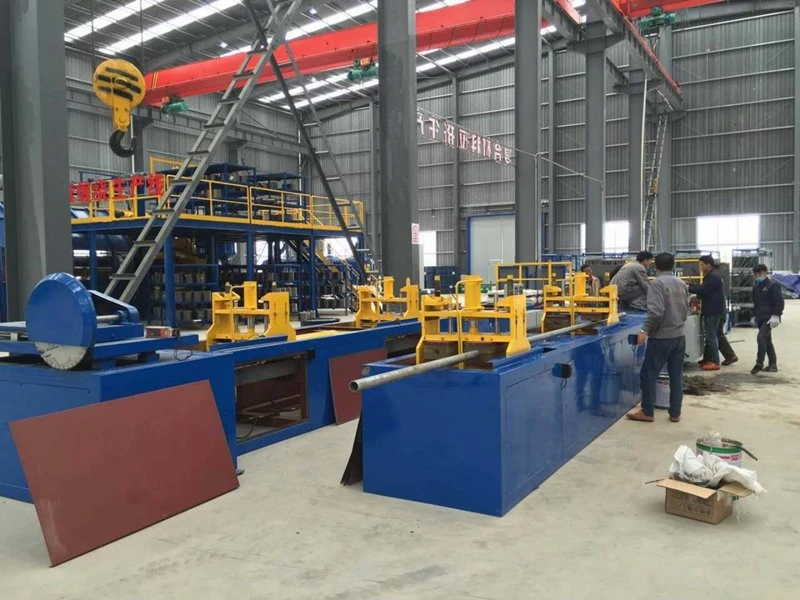
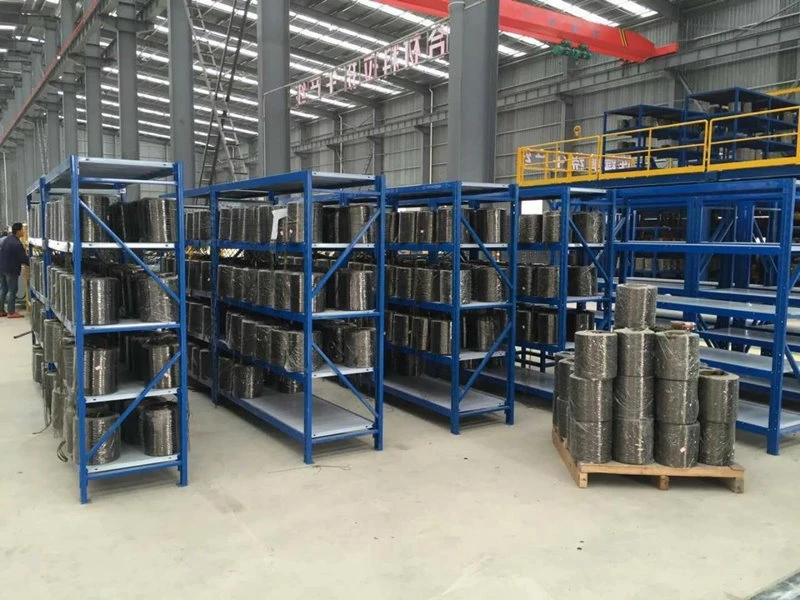
We are also adapting our machines to meet the specific requirements of different markets. For example, in regions with limited access to electricity, we are developing machines that can operate on alternative energy sources, such as solar power. This allows us to serve a wider range of customers and tap into new market opportunities.
Conclusion
The emerging trends in GRP/FRP pultrusion machines are revolutionizing the composite manufacturing industry. Automation, sustainability, customization, high - speed production, advanced material handling, quality control, and global market expansion are all shaping the future of this technology. As a supplier of GRP/FRP pultrusion machines, we are committed to staying at the forefront of these trends and providing our customers with the most advanced and innovative solutions.
If you are interested in learning more about our GRP/FRP pultrusion machines or have any specific requirements for your manufacturing process, we invite you to contact us for a detailed discussion. Our team of experts will be happy to assist you in finding the right machine for your needs and help you optimize your production process.
References
- "Composite Materials Handbook" by ASM International
- "Pultrusion: A Comprehensive Guide" by Pultrusion Technology Inc.
- Industry reports from market research firms such as MarketsandMarkets and Grand View Research.