

How to ensure the smoothness of the inner surface of pipes made with fiberglass pipe molds?
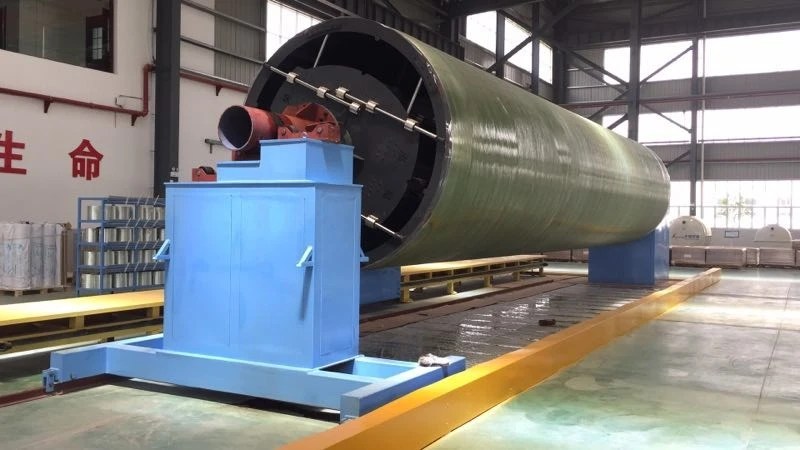
Hey there! As a supplier of Fiberglass Pipe Molds, I've had my fair share of experiences in ensuring the smoothness of the inner surface of pipes made with these molds. It's a crucial aspect, especially when you're looking for high - quality end - products. In this blog, I'll share some tips and tricks on how to achieve that perfect smooth inner surface.
First off, let's talk about the mold material. The material of the fiberglass pipe mold plays a huge role in the smoothness of the pipe's inner surface. High - quality mold materials can significantly reduce surface imperfections. For instance, we offer the High - Precision Carbon Fiber Pipe Mold. Carbon fiber is known for its high strength and smooth surface finish. When you use a carbon fiber mold, it transfers that smoothness to the inner surface of the pipe during the manufacturing process.
Next, the surface treatment of the mold is super important. Before using the mold, it should be properly polished. A well - polished mold surface will result in a smooth inner surface of the pipe. You can start with coarse polishing to remove any large scratches or unevenness on the mold. Then, gradually move to finer polishing compounds to achieve a mirror - like finish. This process might seem time - consuming, but it's worth it in the long run as it directly impacts the quality of the pipes.
The manufacturing process also has a big say in the smoothness of the pipe's inner surface. One of the common methods for making fiberglass pipes is the filament winding process. During this process, the fiberglass strands are wound around the mold under tension. It's essential to ensure that the winding is uniform. Any uneven winding can lead to bumps or ridges on the inner surface of the pipe. Make sure the tension of the fiberglass strands is consistent throughout the winding process. You can use tension control devices to achieve this.
Another factor to consider is the resin used. The resin should have good flow properties. If the resin is too thick, it might not flow evenly inside the mold, leading to a rough inner surface. On the other hand, if it's too thin, it might not provide enough strength to the pipe. You need to find the right balance. Some resins come with additives that can improve their flow and surface - wetting properties. These additives can be a great help in achieving a smooth inner surface.
Temperature and humidity also play a role in the manufacturing process. High humidity can cause moisture to be absorbed by the resin, which can affect its curing process and result in a rough surface. Similarly, extreme temperatures can cause the resin to cure too quickly or too slowly. You should try to maintain a stable environment with controlled temperature and humidity levels during the manufacturing process.
Let's not forget about the demolding process. If the pipe is not demolded properly, it can damage the inner surface. You need to use the right demolding agents. These agents create a thin layer between the mold and the pipe, making it easier to remove the pipe without causing any scratches or dents. Apply the demolding agent evenly on the mold surface before starting the manufacturing process.
Now, when it comes to different types of molds we offer, like the GRP/FRP Gas Cylinder Mold, the same principles apply. Whether you're making a gas cylinder or a regular pipe, ensuring a smooth inner surface is crucial. The gas cylinder needs to have a smooth inner surface to prevent any gas leakage or corrosion.
Our Composite Material Mold is also designed to help you achieve a smooth inner surface. Composite materials can offer unique properties, but the key to a smooth inner surface still lies in proper mold preparation, uniform manufacturing processes, and careful demolding.
In addition to these technical aspects, regular maintenance of the molds is essential. Over time, the mold surface can get dirty or damaged. You should clean the mold after each use and inspect it for any signs of wear and tear. If there are any scratches or damages, repair them immediately. This will ensure that the mold continues to produce pipes with a smooth inner surface.
Quality control is another step that can't be skipped. You should have a set of standards for the smoothness of the inner surface. Use measuring tools like surface roughness testers to check the surface quality of the pipes. If the pipes don't meet the standards, you can go back and identify the problem in the manufacturing process, whether it's related to the mold, resin, or the manufacturing conditions.
Finally, if you're in the market for high - quality fiberglass pipe molds that can help you achieve a smooth inner surface for your pipes, don't hesitate to reach out. We're here to assist you with all your mold - related needs. Whether you're a small - scale manufacturer or a large industrial company, we can provide you with the right molds and advice to ensure the best results. Let's start a conversation and see how we can work together to improve the quality of your pipes.
References:

- "Fiberglass Pipe Manufacturing Handbook" - A comprehensive guide on the manufacturing processes of fiberglass pipes.
- "Surface Treatment Techniques for Molds" - A research paper on the best practices for treating mold surfaces.
- "Resin Chemistry and Applications in Fiberglass Manufacturing" - An in - depth look at the role of resin in the fiberglass pipe manufacturing process.